




 Advertorial by Felicity Anderson
As a baby boomer who grew up in rural New Zealand, one of the issues I am now facing is how to fund dental bills.
A look through my bank records for the past four years shows $13,000 has gone to my dentist. While my dental hygiene is apparently excellent, I am suffering the effects of no fluoride in the water or the toothpaste as a child and the energetic approach taken at my school’s “murder house” – the onsite dental clinics of my day.
My dentist tells me the amalgam filling used to fill the cavities in my teeth expand and shrink with the temperature of the food and beverages consumed. That eventually causes small fissures in the natural tooth enamel, which over time crack completely and cause part of the tooth to crumble away.
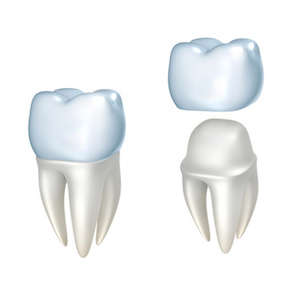
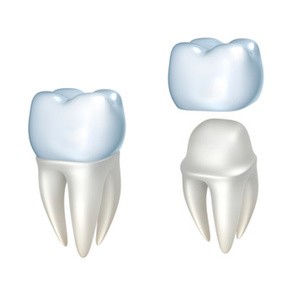
With the trend away from dentures, that leaves crowns or implants for repair. A crown is when they build a tooth over what is left. Basically the dentist caps the remnants after necessary preparation work. An implant is when they put a peg into your jaw, let the bone grow around it until it is stable and then put a permanent crown over it.
With three more crowns imminent (just a matter of time it seems) I desperately needed to find cost effective dental services. The Malaysia Healthcare Travel Council is targeting New Zealanders for that exact reason. While Australians are beating a path to Malaysia’s top clinics, Kiwis are a bit slower on the uptake.
I was lucky enough to be shown four Malaysia Healthcare Travel Council (MHTC) approved elite category clinics in Kuala Lumpur – Dental Pro, Imperial Dental, Pristine Dental and KL International Dental.
It was interesting to learn that the government backed MHTC not only qualifies medical facilities and regularly inspects its members, but also keeps an eye on the sector to ensure the price foreigners are charged remains the same as Malaysian nationals.
The clinics are well tuned to the needs of international patients. They offer packages with top class hotels and some go as far as arranging for flights, accommodation, treatment and a payment plan to cover it all. You can jump on a plane in NZ, get greeted at KL airport and looked after through the whole experience.
Dentistry prices have come down in NZ, if the adverts and voucher deals are to be believed, but there has still been nothing that I have seen that beats the KL prices. My back tooth crown would be about one third of the cost at any of the clinics. The latest technology for a front tooth crown runs out about two thirds of the cost.
The clinics are modern, with international technology, highly qualified staff (many with UK or US qualifications over and above their excellent Malaysian qualifications).
The clinics have international awards for quality too. In 2014 and 2015 Imperial Dental won the International Medical Travel Journal’s International Dental Clinic of the Year at the IMTJ congress in London.
Dental Pro has another edge in its beautiful bungalow style premise in the popular Bangsar suburb in KL. Talk about being “at home” with your dentist!
KLIDC has several clinics and claims to have the first Cercon milling centre (for crowns) in Malaysia as well as a cone beam CT scanner for 3D imaging. All the clinics I was shown seemed incredibly well equipped.
Pristine, however, stood out for its artistry. Dental surgeon Dr Suresh Nair has teamed with Nassir Shademan to create new smiles for patients. Who would believe that intricate 25-layer veneers could change the whole way your teeth look – without your teeth even having to be “cut”. The pair have changed the look of faces of people from all round the world.
With English spoken by most throughout Malaysia, the NZ dollar fetching around 2.84 Malaysian Ringgit and all that wonderful fusion of foods that can be found in Malaysia, a dental holiday is extremely attractive.


Join the Discussion
Type out your comment here:
You must be logged in to post a comment.