







Aids for independent living. Information supplied by consumer.org.nz
Occupational therapist Natasha Clapson treats patients of all ages, from the frail elderly to teenagers. She assesses their needs and offers advice that helps them take part in everyday activities as independently as possible. This may be a case of recommending special equipment, housing modifications, or teaching other ways of doing things.
For this level of help, it's best to ask your GP for a referral to an occupational therapist. The GP completes a referral form which gives information – about medication, hearing difficulties, family contacts – which the therapist needs to know. You can also contact a therapist by calling your local district health board (DHB) and asking for Community Health services.
Help around the home
As an occupational therapist, Natasha assesses patients with a range of disabilities. Some have problems with strength and grip – opening lids or using keys, for example. Others find it difficult to reach or bend. Small aids such as tap turners, angled knives, lid removers, key turners, reachers and long-handled tools can be useful. See Gadgets that can help.
For people with disabilities that severely impair their mobility, equipment such as hoists and wheelchairs can be provided. Even major housing modifications – such as wet-area showers – are possible. To obtain these services you will require an assessment by a specialised assessor – call Enable New Zealand for details of assessors in your area.
For approved housing modifications costing more than $200 and for items of equipment costing more than $37, you can apply for Ministry of Health funding from either accessable or Enable New Zealand. Both these agencies work under contract to the Ministry of Health. If your disability is the result of an accident, you'll need to contact ACC or your ACC case manager to discuss your needs.
Future proofing
Natasha also points out it's wise to plan for the future when buying a home for your retirement. Avoid properties with stairs or too many steps. Look for wide hallways and a toilet close to the bedroom. A shower over the bath is not a good idea.
Mobility parking
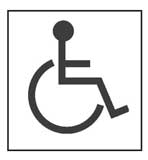 If you use crutches, a walking stick or frame, or a wheel chair – or if you can't walk without someone's assistance for more than 200 metres – you may be eligible for a Mobility Parking Permit card to display on the windscreen of your car. This entitles you to use car parks showing a mobility parking sign. It also allows you to use standard car parks or time-restricted parking zones for longer than the stated times.
CCS administers the Mobility Parking Permit scheme. You can get an application form from your doctor or from CCS – you need to get signed approval from your doctor. A long-term (five-year) permit costs $45.
A short-term permit is useful if you're recuperating from hospital treatment. The fee for a 12-month permit is $30.

Join the Discussion
Type out your comment here:
You must be logged in to post a comment.