






Article By Andrew Goodall
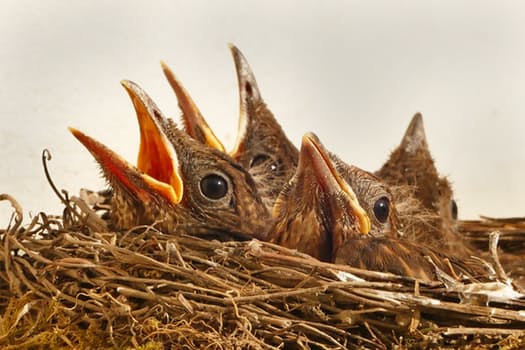 Wildlife photography appeals to photographers of all levels, both amateur and professional. Almost anyone with a camera feels inspired by wildlife from time to time.
For an inexperienced photographer, it is easy to be disappointed with the quality of your results. You see the great photography that can be found in galleries, on calendars and postcards, and wonder why you are not getting the same results.
These days, unfortunately, our first tendency is to blame the camera, assuming that the professionals have much better cameras than yours. Even worse, many people even assume the images are not genuine photos at all; they must have been enhanced or even manufactured on a computer.
The truth is, you don’t need an expensive camera or to be an expert with software to produce good wildlife photos. Don’t forget, great wildlife photography existed long before digital cameras arrived on the scene. In fact, you don’t even need special techniques to take better wildlife photos. There are some simple things you can do that can help you take better wildlife photos no matter what sort of camera you have, or how expert you are in photography.
Here are some simple, low-tech tips for better wildlife photography.
Wildlife Photography Tip #1.
 Context Matters.
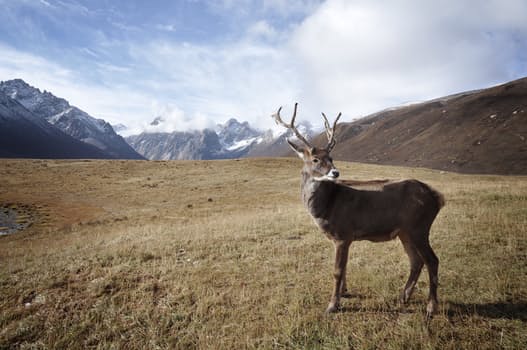
A wildlife photo looks best if it is taken in a natural setting, or at least looks that way. You should always consider the background in a wildlife photo. If it is obvious your photo was taken in a zoo, for example, the connection with nature is broken and the background spoils the shot.
Just why is it that some people, when they find a small animal like a frog, a beetle or a lizard…feel the need to pick it up? A photo of an animal in your hand is just the same as the zoo photo – it destroys the illusion of nature that you wanted to capture in the first place. If you can photograph your subject in a natural setting, with the colours of nature in the background, your photo will be much more attractive.
Wildlife Photography Tip #2.
If The Background Is Distracting, Get Rid Of It.
Sometimes a great subject is found in a terrible setting, and there is nothing you can do to change that. You can, however, minimise the distraction of an unfortunate background, and you don’t need a computer to do it.
Simply get as close to the subject as possible and zoom in with your largest lens. This reduces the depth of field so much that only your subject should be in focus. Not much of your background will be visible, and what you can see should be completely out of focus, and therefore not a problem.
Wildlife Photography Tip #3.
Unusual Behaviour Makes Unique Photographs.
Be patient when taking your wildlife photos. There are millions of snapshots out there which are well-exposed but dull and uninteresting. The shots that stand out are the ones where the subject does something out of the ordinary. I am not talking about tap-dancing in a tutu; all it takes is a yawn, a wink, an interesting turn of the head, a head tucked under a wing…simple things that will set your photo apart from millions of others.
Animals sometimes turn up in unexpected locations which can also add interest to a photo. A frog on a leaf is not so unique, but find one inside a flower and you have a photo on your hands.
Wildlife Photography Tip #4.
The Eyes Are The Key To A Successful Photo.
Most importantly when taking wildlife photos, concentrate on getting the eyes sharp and clear. This is the feature that creates a personal connection between the subject and the viewer. If the eyes are out of focus or lost in shadow, the connection is lost. On the other hand, if the subject is mostly out of focus, or even hidden behind a bush, you can still get a great photo…as long as the eyes are sharp and well captured.
So there you have four easy tips that can add character to your wildlife photography. Note that none of them requires special equipment or complex techniques. Like so much of nature photography, a good image is not about technology; it is about timing, patience, and your sensitivity to the subject. Happy Snapping!

Join the Discussion
Type out your comment here:
You must be logged in to post a comment.