






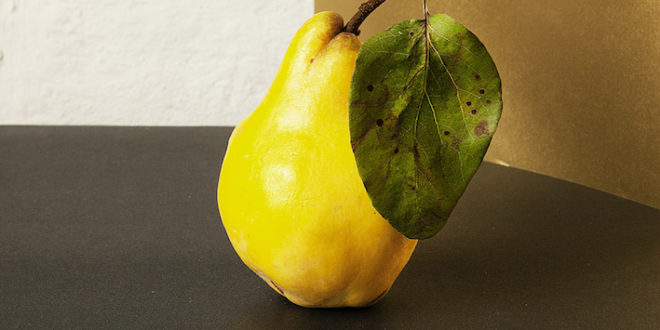
One of the delights of early winter is picking and using quinces. Having said that, it’s important to clear up any confusion that may arise over what is meant by ‘quinces’. That’s because this name embraces three plants with similar qualities and only one is classed as the ‘true’ quince.
This ambiguity is not uncommon in the plant world. You might expect only a lemon would have a lemon fragrance but think of plants, such as lemon verbena (Lippia citriodora, previously Aloysia citriodora) and the Australian lemon-scented myrtle (Backhousia citriodora), both more lemony than a lemon. There’s lemongrass (Cymbopogon citratus), too. None of this trio is even related to lemons botanically, yet they all possess the unmistakable smell of lemon.
It’s the same with quinces. While all have a sticky skin and that typical quince fragrance, the three types of fruit known as quince belong to different genera, although they are all related, two closely.
All three will grow and fruit in warmer parts of the country but true quince especially, do well in a cold climate garden.
The variety your grandmother might have called japonica quince or flowering quince, Chaenomeles japonica, is probably better known for its late winter blossom than its fruit, which is often hidden among the last of its autumn leaves. This fruit is very bitter but can be used to make excellent jelly.
The other impostor is the lesser known Pseudocydonia oblonga. This close relative of the true quince produces large, golden-coloured, fragrant, sticky fruit on almost bare branches at this time of year. Pseudocydonia means false, ‘pseudo’, while ‘cydonia’, refers to the true genus of the true quince, Cydonia oblonga.
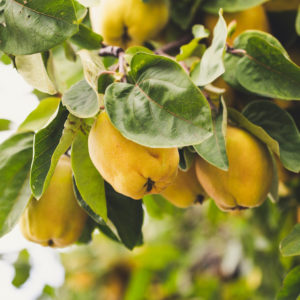 This one is best with some shelter in a cooler garden. Its fruit can be used in the same way as true quinces. All three merit a place in the garden, but if you have room for just one, take a tip from the ancient Persians who admired the true quince as a rose of the desert. You will be rewarded with an attractive small tree, ideal for the home garden because it only grows to a demure three to four metres. You will also have beautiful blooms in spring followed by aromatic, edible fruit in autumn. In colder climate gardens especially, it makes the perfect small tree for the home garden. It can also be pruned to an elegant umbrella shape, providing a shade tree to hide under in the heat of summer.
It loves hot, dry situations in keeping with its eastern origins where it thrives in rocky soils and conditions not unlike those of Central Otago, North Canterbury and Marlborough.
Because it requires little water, it’s also the ideal, eco-friendly tree for the home garden. It needs just enough water in its early years to keep it going while it sends it roots down into the cool, moist subsoil. To make garden plants, especially trees, less dependent on the garden hose and more self-reliant, it’s important to give them infrequent, but long, drinks. Tree roots are opportunistic and will simply grow where they find water, so less watering will mean deeper roots.
If you plant a quince tree this winter, you can encourage it to be independent and self-reliant by giving it intermittent, but adequate water next summer so it sends its roots well down into the soil. Once established, your quince will happily grow for a long time, producing exquisite apple-like, pinkblushed blossoms in spring and plenty of golden, fragrant fruit at the end of autumn.
The three recommended varieties include the aptly named ‘Giant of Gascony’ with notably large fruit, ‘Van Deman’, an early ripening and heavy-bearing variety and ‘Smyrna’, the most popular type, which originated in Turkey, the home of quince. Of them, Smyrna fruit keep the best and are recommended for cooking. If you like the idea of a fragrant quince but are unsure what to do with the fruit, the best way of using them is simply to grate them in anything you make with apples – that’s if you can’t be bothered with the messy business of making that fashionable cuisine revival, quince paste.
Alternatively, they are simply sublime sliced and oven-baked with a little brown sugar and served as a dessert or with Middle Eastern meat dishes. Try adding them to lamb and chicken dishes for a sweet-savoury experience.
If you would rather garden than cook or time is short, you can simply leave quince fruit sitting in a bowl on the kitchen table – their scent will waft through the house. The two false quinces will also perfume your home in this way.
Copyright © Kiwi Gardener: https://kiwigardenermagazine.co.nz
For subscriptions and further infomation please go to the Kiwi Gardener website.
Join the Discussion
Type out your comment here:
You must be logged in to post a comment.