





Step 1: Introduction
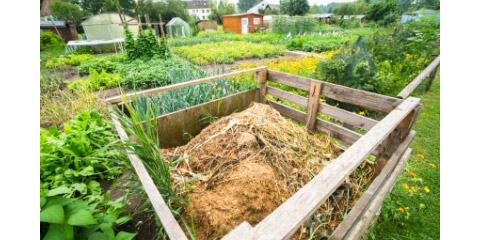
Composting is a traditional method of recycling waste. The process involves soil micro-organisms breaking down the waste into a nice, sweet smelling crumbly “soil”. Adding compost improves soil fertility and stimulates healthy root development in plants.
Compost is suitable to use as garden mulch. Mulching is important to help improve soil structure, conserve soil moisture and suppress weeds. It conditions the soil by the addition of organic material and recycles waste.
Step 2: Materials
There is no set recipe when making compost – but there are living micro-oganisims involved. When these organisms are provided with ideal conditions they do most of the work. Heat and good aeration are the secret to making compost. In the composting process micro-organisims give off heat which is vital in breaking down organic material.
Only use material from healthy plants in the compost heap. Diseased material and invasive plants like dock seed head, dandelion roots, couch and oxalis should not be used as they may survive the composting process to re-establish in the garden later. Avoid putting food scraps of dairy products, meat or bones into the compost heap.
Examples of suitable materials:
Grass clippings, leaves, pruning’s, fruit and vegetable scraps, tea leaves, coffee grounds, animal manure (thin layers), seaweed, wood ash (thin layers).
Step 3: Getting Started
Choose an area of soil approximately 1 metre by 1 metre sheltered from the sun, wind, and rain. The soil should be well drained. Do not place the compost bin on concrete as earthworms need to penetrate the compost to help aerate the organic material. Make sure the bin is well away from the house.
Choose a compost bin that suits your situation. There are many reasonably priced plastic or wooden compost bins on the market. Make sure it has a tight fitting lid to keep unwanted vermin at bay and to keep the rain out.
Step 4: Preparing Your Compost
Break up the topsoil and add chopped-up coarse garden material to improve aeration and drainage. Avoid using the material thicker than 5mm in diameter and cut up bulky material. Air and moisture are very important for the micro-organisms to break down the organic material. If there is not enough moisture, water will need to be added, but care must be taken not to over-water. If there is too much water the compost will be sloppy, smelly and will compact down.
Step 5: Building Up Compost Material
Build up the compost in layers in your compost bin making sure you include coarse garden material to provide aeration and drainage. Follow with layers of vegetable peelings, grass clippings and plant material. Sprinkle each layer with blood and bone or compost activator. Adding lime to each layer will help keep the compost sweet smelling and speed up the decomposition process. Add a layer of soil on top of this. Repeat the compost bin is full.
Step 6: Composting Process
After about two weeks the composting material will cool down. Turn the compost over to increase the aeration and speed up the composting process. Water can be added if the compost is dry. Now is the time to transfer it to a second bin. This will increase aeration and speed up the composting process. Incomplete, decomposed material should not be used on the garden, but can be cut away with a space and kept separate to start the next batch.
Step 7: When to Use
Depending upon the time of year, compost can be ready any time from two to five months – in summer the process is much more rapid than winter. The compost is ready to use when it has cooled down completely and does not get hot after turning over. If the compost still has heat in it and is applied to the garden it can do irreparable damage to young plants.
Compost should be crumbly, dark brown to black in colour, with a pleasant earthy musty smell. Spread it around flowering plants, vegetables, ornamental shrubs and roses, working it into the soil.
You might also like:
–It’s all about the compost
–The bakashi composting sytem
–Sustainable gardening
Join the Discussion
Type out your comment here:
You must be logged in to post a comment.