






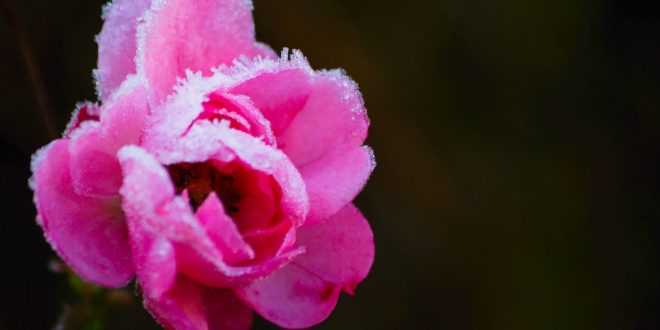
The best seasonal acclimatisation for plants is for mild frosts to occur which enables the plant to harden. The worst damage to plants generally occurs when there is a period of warm weather then a hard -4-degree frost.
To inhibit frost damage to your plants, knowledge is certainly the key. The terms ‘frost hardy’ and ‘frost tolerant’ are often misleading because of the different degrees of frost we experience in New Zealand. From coastal gardens to high country gardens, our weather patterns are adeptly set to test the toughest of plants. In addition to asking your local garden centre or nursery what is suitable to grow in your area, take a look your neighbour’s gardens and take note of what survives and thrives in the harsh winter chills.
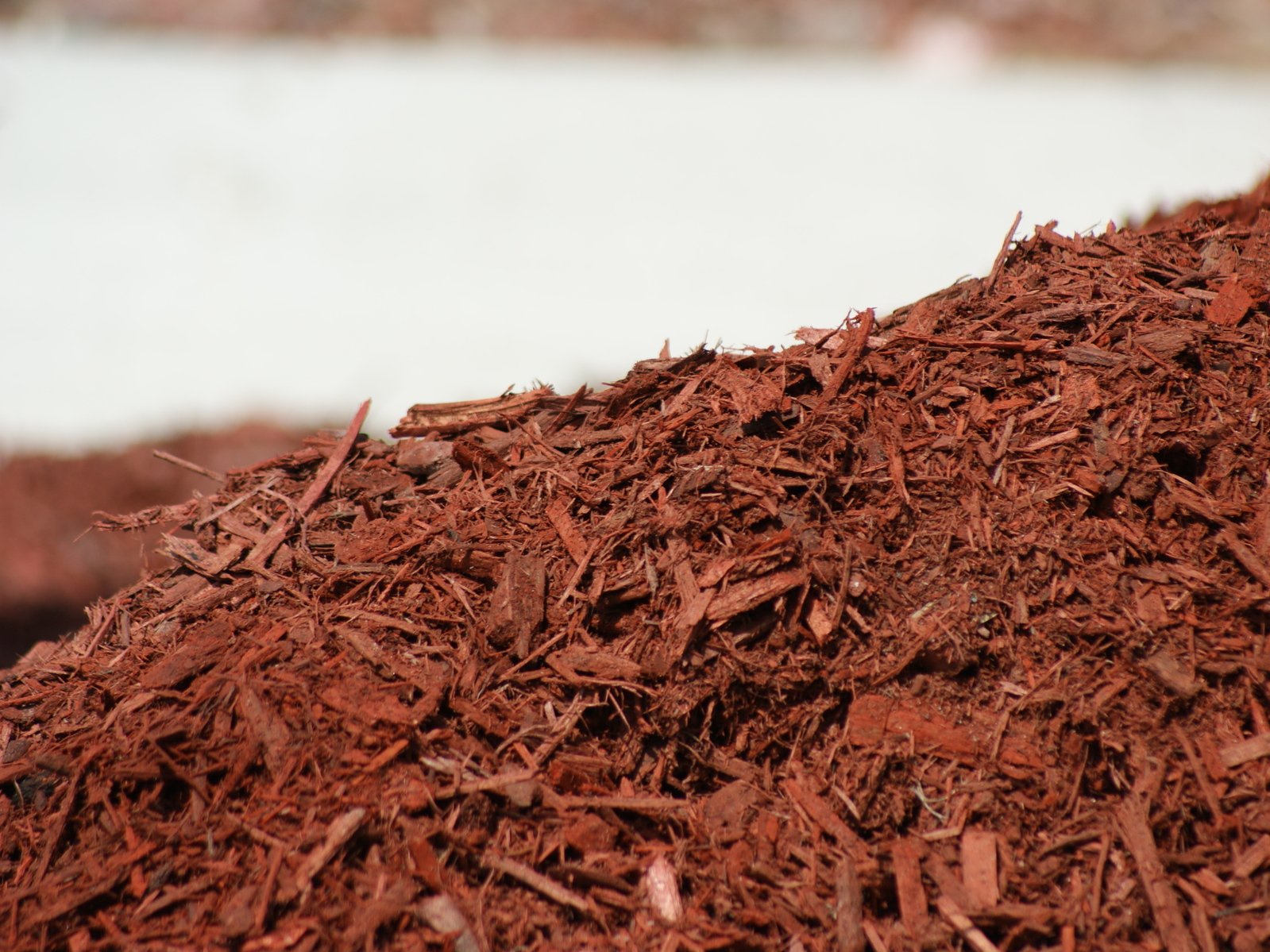
One solution – apply mulch to the frozen ground to keep it frozen, much like a sunscreen.
 There are various options for ‘wrapping’ your plants against winter cold. Frost-cloths, available from most plant nurseries, are ideal winter protection plants for tender shrubs or plants. Dead fern or bracken can also be used, remembering to provide pockets of air for the plant. No air circulation means you risk fungal growths in warmer, moist weather. With both frost cloth and bracken, use a covering of chicken wire firmly fixed into the ground to prevent the entire edifice taking off in the next decent wind. Don’t overdo ‘wrapping’ your plants or you can tempt them into Dormancy and a Natural Anti-freeze.
In low temperatures plant metabolisms slow down to a virtual standstill, slowing chemical activity.
As the plant reduces moisture content and stores sugars to provide for growth in the coming season, the concentration of level of sugars increases. This forms a natural anti-freeze and protects the plant from moisture within cells freezing, rupturing membranes and killing that part of the plant.
Wind
Cold winds can also kill. The wind dries plants out and when the ground is frozen roots cannot replace lost moisture from the soil.
Freezing
 Frozen, sodden wet ground is one of the big killers of plants in winter. Few plants can survive freezing in the sodden ground and need to be in free-draining soil that is moist but not wet in winter. Wet frozen roots are the cause of many a plants’ demise, and one of the reasons so many of our wonderful native plants are tough to grow in other countries.
Plants that can survive very cold temperatures once established may well succumb in a relatively mild but wet winter simply because their roots freeze. e.g. cistus, dianthus, here and even kowhai. To help plants through winter cold, dig organic matter and grit into the garden, improving drainage.
Well-drained soils will also warm faster in spring.
Soil
Soil moisture is a major factor in plant hardiness. Why? Wet soils are colder than drier soils and the roots freeze in the ground. Many alpine plants survive cold as they grow in rocky screes that drain freely. In a garden loam, with higher moisture levels, these same plants succumb to freezing soil temperatures.
Many plants can cope with severe cold in well-drained soils. In clay or other soils with high moisture content, these plants may succumb. These heavier, wetter soils are also slower to warm in spring, and plants will come again and seeds germinate earlier in a well-drained soil.
Frost
Frost is the winter killer cold climate gardeners are all too familiar with.
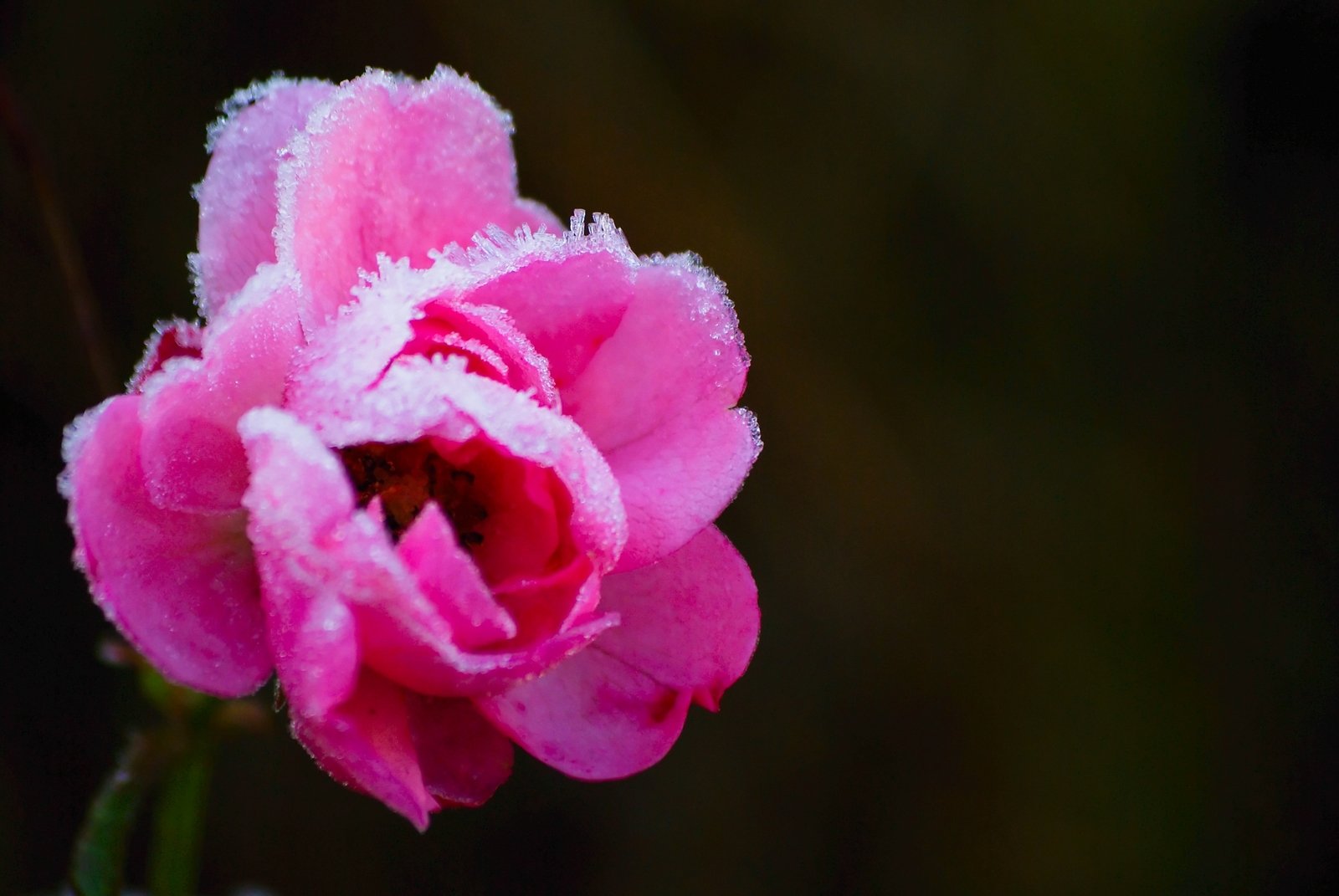
Frost occurs when the temperature drops below 0oC (32oF) and thin ice crystals form on the ground or other surfaces. The temperature can vary between ground level and the air, and soil may not freeze as quickly as moisture lying on its surface. At -5oC (24oF) the soil freezes. The depth of frozen soil depends on the length and severity of freezing, as well as soil type and moisture content.
Spectacular hoar frosts occur when air moisture levels are high and air temperatures fall below freezing, causing air moisture to freeze, dangling icicles from trees, fences and buildings.
Freezing and Plant Damage
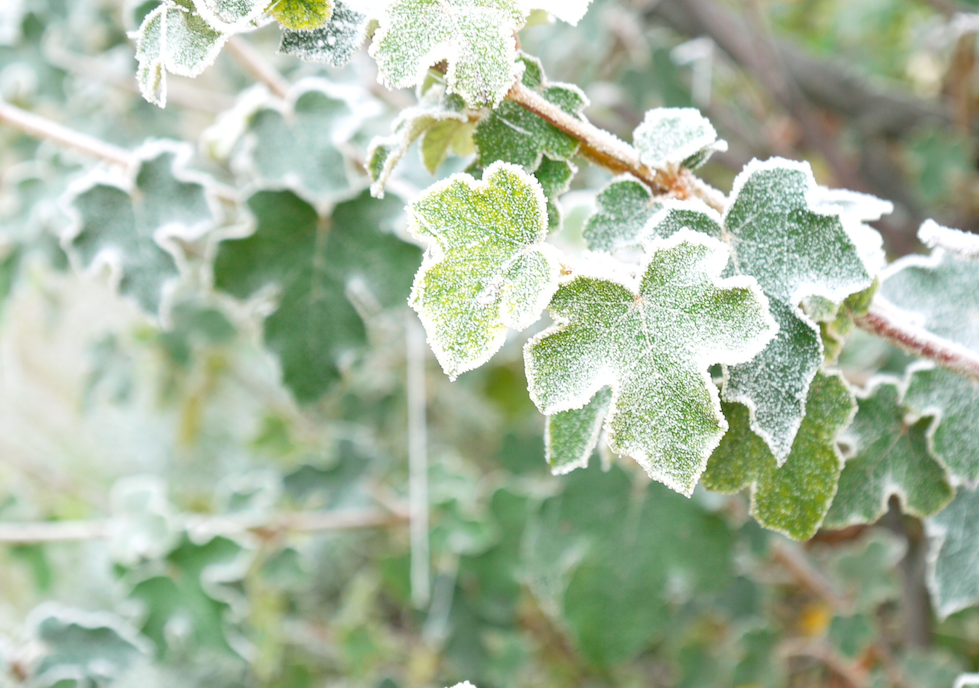 When it freezes, the moisture inside plants begins to freeze. Water is forced by osmosis through the membranes and into the fluid sacs. This transfer dries out the plant’s protoplasm results in dehydration, the cause of most damage. A severe frost can rupture the plant membranes, and more damage occurs.
If the ice melts within the fluid sacs before the sun warms the plant and daily activity begins, plant tissue can escape damage. But if the sun warms the plant while the fluid is still frozen, then damage results from dehydration.
An early or sudden frost catches plants before they can develop winter hardiness and have little ability to withstand cold temperatures. Mild weather in midwinter is also destructive as it destroys the resistance to cold.
New spring growth is not cold hardy. Spring frosts are devastating, destroying soft new shoots that have little or no frost hardiness.
Cold Weather Strategies
Many plants protect themselves from the cold by dropping their leaves and reducing activity, and thus moisture, to very low levels. Other plants hide out – herbaceous perennials die back to blow ground, bulbs disappear underground and annuals lie dormant as seeds. These plants start into growth and emerge again when temperatures rise.
The layer of fallen leaves under trees, shrubs and from herbaceous plants is nature’s mulch, a covering that modifies soil temperature changes and helps to protect over wintering plants beneath its protective covering.
Some plants cope with cold by literally hugging the ground. Celmisias, our mountain daisies, have a low, mounding form that copes with heavy snow. When there is no snow cover, this shapes protect them from cold, desiccating winter winds.
Many mountain and cold climate plants are evergreen, as the short growing season cannot be wasted on producing new leaves each year.
Most plants cover their apical bud, the growth point, through the colder months. Bud scales, actually modified leaves adapted to survive periods of cold and dehydration, cover this vital growing point.

Join the Discussion
Type out your comment here:
You must be logged in to post a comment.