






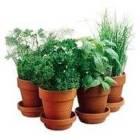
Sometimes when I see those little jars and packets of dull and dusty dried herbs, like parsley flakes and basil, dill and chives, rubbed sage and mint or the little plastic packs of fresh herbs in the shops, I wonder why more people don’t grow their own. It requires little room and little effort and could be as simple as picking up a potted herb from the garden centre or if you want more of a small scale horticultural challenge, trying to keep alive some of the growing herbs now available in supermarkets. The advantages are many, fresher herbs there when needed, they work out cheaper, they are decorative and there is really nothing like the buzz of harvesting your own produce. Outside in the garden or inside in pots, convenient in the kitchen or on a windowsill to catch the sun, they can be grown and enjoyed anywhere, from lifestyle block to bed-sit.
When people think of herbs the first that frequently come to mind, thanks to an English folk song and Simon and Garfunkel, are parsley, sage, rosemary and thyme but there are of course many others. Tarragon for instance, do make sure it is French tarragon and not Russian which has a much inferior flavour; it is essential in Béarnaise sauce and is especially good in chicken and egg dishes. Where would Mexican, Thai and Middle Eastern food be without fresh coriander, roots and leaves?
An annual, easily grown from seed, if left it will produce seeds not only for use in Indian dishes but to self-seed and provide next year’s plants. Dill, a hardy annual whose leaves compliment fish dishes is another plant that produces seeds that may be used in the kitchen or allowed to self-seed. Oregano and the related marjoram are worth growing for Italian, Greek and Provençal cooking and I would never be without chives.
For some years now I have grown lovage in my herb garden. An old-fashioned perennial with the look and taste of a celery/parsley cross, its young leaves may be used in salads and when chopped, lovage can lift mashed potatoes or a simple omelette or give life to a bland casserole. In the past it was used to make an excellent winter cordial. Talking of drinks, try a sprig of borage in your next Pimms or summer cocktail, much better than cucumber.
Not all herbs are just for culinary use, indeed they were originally grown for their medicinal or “physic” properties. Dried chamomile flowers can be made into a pleasant and relaxing infusion to drink or soak two cotton pads in the infusion when it has cooled, then lie back and rest the moist pads on your eyelids to refresh tired eyes. An infusion of rosemary as a hair rinse strengthens and deepens the colour of dark hair and a similar infusion of hyssop or sage is said to help coughs. Horseradish, wonderful in a sauce for beef or oily fish is also believed to be efficacious in an ointment for chilblains and the anti-bacterial qualities of garlic (yes, it is a herb) led to it being used as a wound dressing in the First World War.
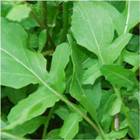
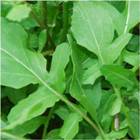
Spicy salad rocket is really a herb and can be grown easily from seed most of the year. Apart from using it in salads it also makes an excellent spicy pesto and has an advantage in that it doesn’t darken like basil.
Rocket Pesto
1½ firmly packed cups fresh rocket
¾ cup extra virgin olive oil
1 cup pine nuts (or roasted unsalted cashews or walnuts)
2 cloves garlic peeled (you can use roasted garlic in which case squeeze out 5-6 cloves)
Squeeze of lemon juice
Salt
75g good Parmesan (grated from a block)
Gently wash and dry the rocket. Put it in a food processor together with the oil, nuts, garlic, lemon juice and a little salt. Blend until smooth. Stir in the cheese and adjust the lemon juice and salt to taste.
It can be stored in a jar in the fridge under a layer of olive oil. It’s delicious with pasta, as a dip or as a sauce for chicken or steak.
Basil, bay, comfrey, chervil, caraway, lemongrass, lavender, lemon balm, saffron, savory, sorrel and sweet cicely, the list goes on and now more exotic herbs are available in nurseries if you ask about, lemon grass, Thai sacred basil, Vietnamese mint, wasabi, curry leaves and capers. If you are just starting with herbs the garden centres will help and there are heaps of books in the libraries. One I do recommend is Ian Hemphill’s “Spice Notes” which is so useful for herbs and spices but growing herbs isn’t difficult or expensive and the rewards are well worth it so have the thyme of your life and start a herb garden this spring!

Join the Discussion
Type out your comment here:
You must be logged in to post a comment.