





Some weeks ago Donna suggested that we clean out the pantry. We do this from time to time, mainly for hygiene but also to bring to the fore forgotten food nearing its use-by date, to gloat over our homemade preserves and to bin things like the jar of blueberry and chilli jelly that someone gave us for Christmas which we couldn’t quite find an opportunity to use and which has now liquefied and leaked. I was checking the possibly-useful-for-biscuits type tins that seem to multiply in our cupboard for any sad crackers etc., when I picked up one that was surprisingly heavy; I opened it and found sealed bags of mustard seeds, 600g of them! I really couldn’t remember buying them and I didn’t want to waste them as they were still fresh, so I decided to make mustard.
The seeds I had found were brown mustard seeds or Brassica juncea, more potent than the white, that is sometimes called yellow, Sinapis alba; these two between them providing nearly all commercial mustard. There is a third kind, Brassica nigra, usually called black mustard, however this seed, most potent of the three, has become less available of late as it is difficult to harvest mechanically.
I didn’t want to make a lot of mustard, which I might have to bin in a future pantry clean, just a jar for current needs – but what kind? I like the sinus-clearing heat of English mustard – after all, the name possibly comes from the Latin words mustum meaning “wine must” and ardens, meaning “fiery” – but it’s a taste not shared by Donna who prefers a milder mix.
Mustard’s heat occurs when the seed is broken and comes into contact with cold water, allowing the enzyme, myrosinase, contained in the seed to break down the seed’s sulphur compounds. The heat reaches its peak in about ten minutes and then eases. An acidic liquid like vinegar or lemon juice will prevent the reaction if it is added instead of cold water or, if added later, will preserve the pungency and flavour. Try mustard made with Coleman’s mustard powder and water and then again using vinegar and you will taste this difference.
I thought about the recipe found in the 4thcentury Roman cookbook named after Apicius, which adds almonds, dates, honey and herbs but that meant shopping. There was garlic mustard of course, or tarragon mustard or mustard with green peppercorns but I didn’t want my mustard to be overwhelmed by other flavours and many recipes I’d found used mustard powder instead of seeds. In the end I made the following recipe:
Easygoing Mustard
- 200g brown mustard seeds (use yellow for milder mustard or a mix)
- 300ml verjuice (or unfermented grape juice) or white wine vinegar
- 1 clove of garlic, crushed
- ½ tsp dried thyme
- 1½ tsp dried tarragon
- 1 dried bay leaf
- 1 tsp brown sugar
- 1tsp freshly ground black pepper
- ¾ tsp sea salt
Put all the ingredients in a stainless steel, glass or ceramic bowl, cover loosely and allow to soak for two days, checking from time to time that there is sufficient liquid to just cover the seeds.
After this time, blitz the mixture in a food processor for 5 minutes or until a paste has formed (you can use a mortar and pestle if you are feeling traditional…and strong). Scrape the sides of the food processor bowl; let it sit for 15 minutes or so then blitz for another 5 minutes.
Push the paste through a sieve – the finer the sieve, the smoother the mustard – and transfer to small clean jars, a couple of old mustard jars would be ideal. Then, and most importantly, store in a cool place out of bright light for not less than three weeks before using. It might get a little darker in colour but if you make it now it should still be good for the Christmas ham and if you like, why not make a larger recipe and give jars of it as presents.
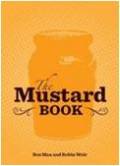
Not surprisingly, my cookbook this week is about mustard. It’s a fascinating and authoritative book which covers all aspects of its history, cultivation and its many uses, both culinary and medicinal with the main part dedicated to 150 mustard related recipes.
The Mustard Book by Rosamund Man & Robin Weir
Published by Grub Street RRP $50.00 hardback

Join the Discussion
Type out your comment here:
You must be logged in to post a comment.