





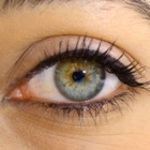
Blindness rates from glaucoma in New Zealand are rising dramatically with about 68,000 New Zealanders over the age of forty currently with this devastating disease.
As the population ages, and people continue to live longer, it is estimated 76,000 New Zealanders will have glaucoma by 2031.
Glaucoma is the number one cause of preventable blindness in New Zealand, and worryingly 50% of those with the disease don’t know they have it. That’s because there are usually no symptoms until vision has already been damaged.
Chair of Glaucoma New Zealand, Professor Helen Danesh-Meyer, says glaucoma is a significant health issue.
“Next to cancer and heart disease, blindness is the thing most people fear the most, as it has such a huge impact on their quality of life – whether it’s the ability to drive, read, watch television, enjoy hobbies, or even stay in their own homes,” she says.
Danesh-Meyer stresses the early detection of glaucoma is the key to preventing blindness.
Glaucoma New Zealand recommends that everyone has an eye examination for glaucoma by age 45, and every 5 years after that until 60, and 3 yearly after 60.
“However, at any age, if you notice changes in your eyesight you should have your eyes examined at that time. For example, if you need hobby glasses, it would be a good idea to have your eyes checked in case there is a problem,” she adds.
Danesh-Meyer also stresses it’s important for people to know if glaucoma runs in their family, because it does, your risk increases ten-fold. Ctd.
People in the following categories also have a higher risk of glaucoma: 60 years and over; short sightedness ( myopia); high blood pressure, past or present use of steroid drugs, previous eye injury, African descent.
Glaucoma can’t be cured. Once the vision is gone, you can’t get it back, but modern treatments like eye drops can halt its progression and preserve the sight that is left.
“And that’s where compliance is also vitally important,” says Danesh-Meyer.
“Early detection is the first step, but it’s also important to know that 98% of those who comply with their prescribed treatment will not go blind. That means putting in the eye drops every day for the rest of their lives. It’s a simple thing to do to save that precious sight,” she says.
For Further Comment:
| Professor Helen Danesh-Meyer | Helen Mawn |
| Ophthalmologist | Executive Manager |
| Chair Glaucoma NZ | Glaucoma NZ |
| Phone: 021 229 1840 | Phone: 0800 452 826 |
| Email: h.daneshmeyer@auckland.ac.nz | Email: h.mawn@auckland.ac.nz |
Glaucoma New Zealand, a charitable trust set up to eliminate blindness from glaucoma in New Zealand, provides free nationwide educational resources, seminars and support to those with glaucoma and their families, facilitates ongoing education for health professionals, contributes to glaucoma research and advocates for more affordable and accessible treatments in New Zealand.
For more information visit www.glaucoma.org.nz, email info@glaucoma.org.nz or phone 0800 452 826

Join the Discussion
Type out your comment here:
You must be logged in to post a comment.