






Understanding the plastic rating
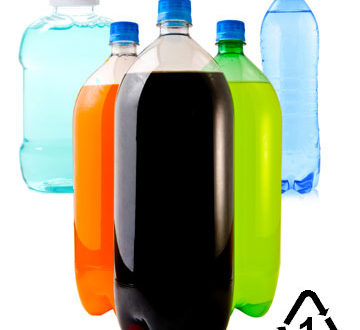
All plastics are rated using a number system. Understanding what those numbers mean can help you do more than recycle, it can help them avoid dangerous chemicals involved with these plastics. Patients tell me often that they are concerned about plastic in their lives, particularly the plastics containing Bisphenol A. Fortunately there are codes on the bottom of all plastics which can help the health conscientious consumer stay informed. Here is what the codes mean and a guide to which plastics should be avoided due to potential toxicity. Make sure you look underneath your plastic drink bottle, that is if you are still game to drink from one after reading this article!
Plastic # 1 – Polyethylene Terephthalate (PET or PETE)
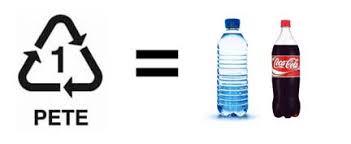
Found in many single-use plastic containers like as soft drinks bottles, mouthwashes (you don’t buy this stuff, do you?), salad dressing containers and other similar items. It is lightweight, inexpensive and easy to recycle. Number one plastics are considered safe and are not known to leach chemicals, but they are not safe for reuse so never refill any container made from this plastic. Also, never heat foods in number one plastic containers either, never. By the way, NEVER leave a plastic drink bottle in the sun, this is a sure fire way to leach chemicals into your water.
Plastic # 2 – High density polyethylene (HDPE)
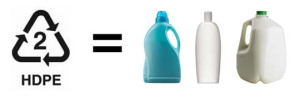
This plastic is used for items like those flimsy plastic milk containers, rubbish bags, margarine tubs (yuk, buy butter) and general packaging products. It is cheap, versatile and durable. It is also easily recyclable. Number two plastic is
considered safe and isn’t known to leach chemicals. But, like most plastics, it’s wise to never heat food or liquid products in them. And in addition, don’t place foods in them and then freeze them, especially hot foods.
Plastic # 3 – Polyvinyl chloride (V or PVC)
T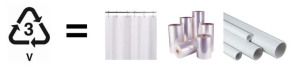 his plastic is used to make bottles for cleaning products, shower curtains, the heavier industry grade plastics and the cling wraps used to wrap your delicatessen meats and cheeses. It isn’t generally recycled. Number three plastic is not safe due to a chemical used to keep it so flexible which can leach out into your food products. This plastic has di-2-ethylhexyl phthalate in it, which is a potential carcinogen. It also contains chlorine and will release dangerous toxins if burned.
By the way – NEVER buy those cooked chickens at the supermarket wrapped in cling film. You are guaranteed to be eating chicken laced with potential xeno-oestrogens (foreign chemicals mimicking oestrogen) or carcinogens. I know they taste nice and are what you like to grab after a busy day at the office, but the chicken skin is very fatty and will gladly soak up the poisons contained in the cling film. Your choice.
Plastic # 4 – Low-density polyethylene (LDPE) This plastic can be found in things like frozen food bags, squeezable bottles like those mayonnaise or tomato sauce containers, supermarket plastic bags and even in some clothing, carpeting and furniture upholstery. It is flexible, durable and has many applications in industry. Number four plastic isn’t known to be dangerous or leach any chemicals into consumer products. These types of plastic are not widely recycled but are recyclable.
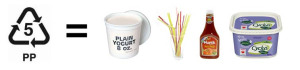 Plastic # 5 – Polypropylene (PP)
This plastic can be found in items like tomato sauce bottles, plastic straws, pharmaceutical drug containers, some carpet and most plastic bottle caps. It has a high melting point so it is also used for containers that will hold hot liquid. Number five plastic is hazardous during production but once made, it isn’t known to leach chemicals. It is typically used in items that aren’t reused and has a high melting point, which might contribute to its sturdiness and reduced risk of leaching. Not every community can recycle number five plastic. Don’t burn # 5 – cancer potential, yuk.
Plastic # 6 -Polystyrene (PS)
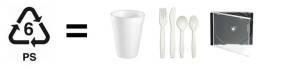 This plastic is used for items that must be hard and retain their shape, like those coffee cups, opaque plastic utensils as found on your next airplane flight, some toys, take-away containers and compact disc cases. It is also used for foam insulation. Number six plastic isn’t generally recycled and is not considered safe by most experts. Benzene, a known carcinogen, is used during its production and the final product contains stuff called butadiene and styrene, both suspected carcinogens. It takes a lot of energy to produce and should be avoided, so watch out for those take-away food containers made from it. Say no to styrene, use REAL plates and cups and avoid a potential cancer risk, better safe than sorry.
Plastic # 7 – Other Plastics
 Number seven is an open category for any number of plastics but often contains polycarbonate. It is often found in baby bottles, those large clear water jugs, microwave containers, and those plastic eating utensils. Very few recycling programs exist for this type of plastic. Number seven plastic is widely regarded as unsafe since it has bisphenol A, a hormone disruptor which mimics estrogen and is linked to breast cancer. This plastic is known to readily leach this chemical out into food. Infant formula and canned food has tested positive for biphenyl-A after being placed in metal cans lined with number seven plastic. It’s a good idea try to always avoid number seven plastic.
Conclusion
You really don’t need to be an Einstein to know that plastic shouldn’t contact food. Plastics containers, bags and wraps, along with those “let’s kill all those nasty germs” advertisements have become quite popular on TV. But just because they advertise these items on the TV, it does not justify their use or make them appear less harmful to the consumer.
People often ask me what the safest plastic is to microwave food in – sorry folks, plastic should never contact food, and especially the “soft” plastics with plasticizers like cling film. And in addition, you should never microwave food in general— it’s worse than putting food in plastic because it creates free radicals in the food that damage cells in your body. Microwaves also heat the plastic and not just the food, thus increasing the rate of migration of the poisons into the food. However, glass, wood, metal, and ceramics are the real things, although not all suitable for microwave ovens.
If saving trees is your aim, stop using so much paper, wooden and cardboard stuff. But in the mean time, don’t further degrade the environment with more plastic and microwave radiation. Use a stove, like your grandma once did. Your use of plastic in terms of food and drinks will amaze you if you focus on how much plastic you really handle over the course of say a week. By being aware and making other choices you may well be avoiding many different potentially serious health related disorders in the future.
By Eric Bakker ND
References
Wagner M & Oehlmann J (2009). Endocrine disruptors in bottled mineral water: total estrogenic burden and migration from plastic bottles. Environ Sci Pollut Res; [10.1007/s11356-009-0107-7]

Join the Discussion
Type out your comment here:
You must be logged in to post a comment.