






Login

Forgot password? Cart My cart (0 items)
Font size: A- A+
Become a Member FREE

Become a GrownUp and join our Community. Stay up to date with our weekly newsletter, discuss topics with other members, grab some great member-only offers and so much more.

Register Free Now!
Notices
Tell Friends & Family about GrownUps
Introduce others to a new world, online.
Join the Vitality Community!
Our aim is to be your guide to living life to the full!
List your Classified
House Sitters, Employment, For Sale, Property & Personals
Chat with other Members
Click on the blue banner on the top right hand side of the page!
Compare & Purchase Insurance products
Disclaimer: GrownUps is not an Insurance Broker. We do not make recommendations on any financial services products. Always seek suitable advice.
R50 Sexual Health
R50 Sexual Health
Check out the new section available to everyone.
Recipes
Recipes
Find some delicious recipes by clicking here.

Vote in our Polls

Do you suffer from any muscle or joint aches and pains?

Category sponsor
« Previous Article Next Article »

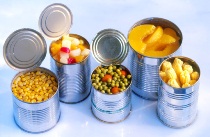
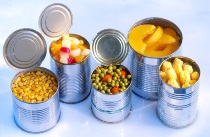
Canned fruit and vegetables count

Rating:
Sign in to rate this article!


We are all aware of the need to consume 5 or more servings of fruit and vegetables a day. But what many people don't realise is that canned fruit and vegetables count towards that total and are included in the Ministry of Health's recommended fruit and vegetable forms along with fresh, frozen, juiced and dried forms.

Because canned food is so ubiquitous, people tend not to think about the process of canning fresh food or the fact that what is inside the can comes straight from nature. Canning is simply a clever process that allows us to conveniently store and package fruit and vegetables in steel cans which, not only provides year-round variety, but also ensures that nutrient content remains almost constant during storage.

The canning process is nothing new. Pioneered in the 1790s, canning is an age old preservation method that many home bottlers know well. With technological advancements the process today is far more sophisticated, but the principle remains the same: fresh produce is washed, peeled and sliced or diced as required, then placed in cans along with the appropriate liquid. The cans are sealed and then cooked at a high temperature to preserve the food and once cooled and washed, labels are applied. While the heat treatment will cause some initial reduction in nutrient content, once completed, the nutrient content remains relatively stable. The heat treatment sterilises the contents, so the need for preservatives is eliminated.


You might also like: Vegetables in a Toddlers Diet

Print | Bookmark

Explore This Topic Further

This article is part of the Health Food topic. Below are more articles in this topic.

Advertisement

Advertisement

Add a comment

Please do not include any links or html in your comment as the
comment will be rejected automatically.

Name:


Join GrownUps Free
By becoming a GrownUps member and part of the Community, you gain access to:
  • Enter Competitions
  • Go into regular prize draws
  • Play daily games
  • Join Discussion Groups
  • Find like-minded individuals and create lasting friendships
  • Receive special GrownUps offers and
  • Add you own articles of interest, recipes, pictures for fellow members to read and view.
All for FREE! So why not join now?

Register Now
Enter GrownUps CompetitionsJoin our Chat RoomFind Friends on GrownUpsCoast FM

site links