






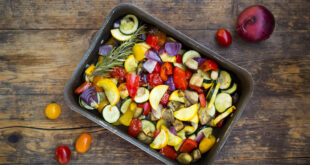
Courtesy of Watties.
Flavonoids are making headlines as studies are published showing their health-protective effects. As a result, many of us have heard of them, but do we really know much about them?
In a recent study, researchers evaluated the diets of more than 34,000 women; looking at total flavonoid intake, types of flavonoids consumed and best food sources. The results showed that certain flavonoids in foods have the potential to lower the risk
of heart disease by up to 22 percent.1
The study found food and drinks most beneficial for flavonoid contribution to the diet were: Bran, apples, pears, red wine, grapefruit, strawberries, chocolate, almonds, parsley, coffee, dried or canned beans and onions.1
Flavonoids have also been linked with improved mental health by reducing the decline in mental functioning associated with age.2 A recent study measured flavonoid intake and cognitive evolution at four stages over a ten year period, in subjects aged 65 years and over. Subjects in the lowest quartile of flavonoid intake lost, on
average, nearly twice as many points on a standard mental state scale than those in the highest quartile of flavonoid intake. This effect was shown to be independent of other influences, including other nutrient intake from fruit and vegetables.2
What are flavonoids and how do they work?
Flavonoids are also commonly referred to as bioflavonoids. They are polyphenolic compounds with powerful antioxidant activity, which can protect against cell death caused by oxidant damage in the body. This type of protection seems to play an important role in reducing risk factors for many chronic diseases (eg, heart disease, diabetes, cancer, asthma),3 as well as moderating the natural processes of ageing, such as cognitive decline.2
Different types of flavonoids from different foods appear to have differing levels of protection against oxidative damage.
While some foods are already well known for flavonoid content (tea, wine and chocolate in particular), there are many other less talked about foods that are also great sources of flavonoids, such as dried or canned beans and onions. Half a cup of dried or canned beans provides thousands of different types of antioxidants, including flavonoids. These are mainly found in the seed coat and are associated with the colour of the bean. Onions, in particular shallots, are an important source of flavonoids in
the diet, mainly because they are used in such a broad range of meals.
Categories of flavonoids
Catechins – found in tea, coffee, chocolate and red wine
Flavonols (including quercetin) – found in apples and onions
Flavones (including apigenin, luteolin and tangeritin) – found in parsley, celery and citrus
Flavanones (including hesperetin, naringenin and eriodictyol)
– found in citrus
Anthocyanins (including cyanidin, delphinidin, malvidin, pelargonidin, peonidin and petunidin) – violet and red pigments found in many fruits and vegetables (eg, black currants, aubergine, red cabbage, plums, cranberries and red currants)
Isoflavones (including daidzein, genistein and glycitein) – found in soybeans.
References
1. Mink PJ, Scrafford CG, Barraj LM, Harnack L, Hong CP, Nettleton JA, Jacobs DR. Flavonoid
intake and cardiovascular disease mortality: a prospective study in postmenopausal women. Am
J Clin Nutr, 2007; 85: 895-909.
2. Letenneur L, Proust-Lima C, Le Gouge A, Dartiques JF, Barberger-Gateau P. Flavonoid intake and
cognitive decline over a 10-year period. Am J Epidemiol, 2007; 165: 1364-71.
3. Arts I, Hollman P. Polyphenols and disease risk in epidemiologic studies. Am J Clin Nutr, 2005;
81: 317S-25S.
anon7249 - 17 years ago
Oh no! More statistics. Will someone please post some lies, or better still some damn lies. That way we could argue about facts.
That some of these compounds might show some sort of activity in a laboratory test tube or petri dish is no guarantee that they are going to that after being eaten and digested.